

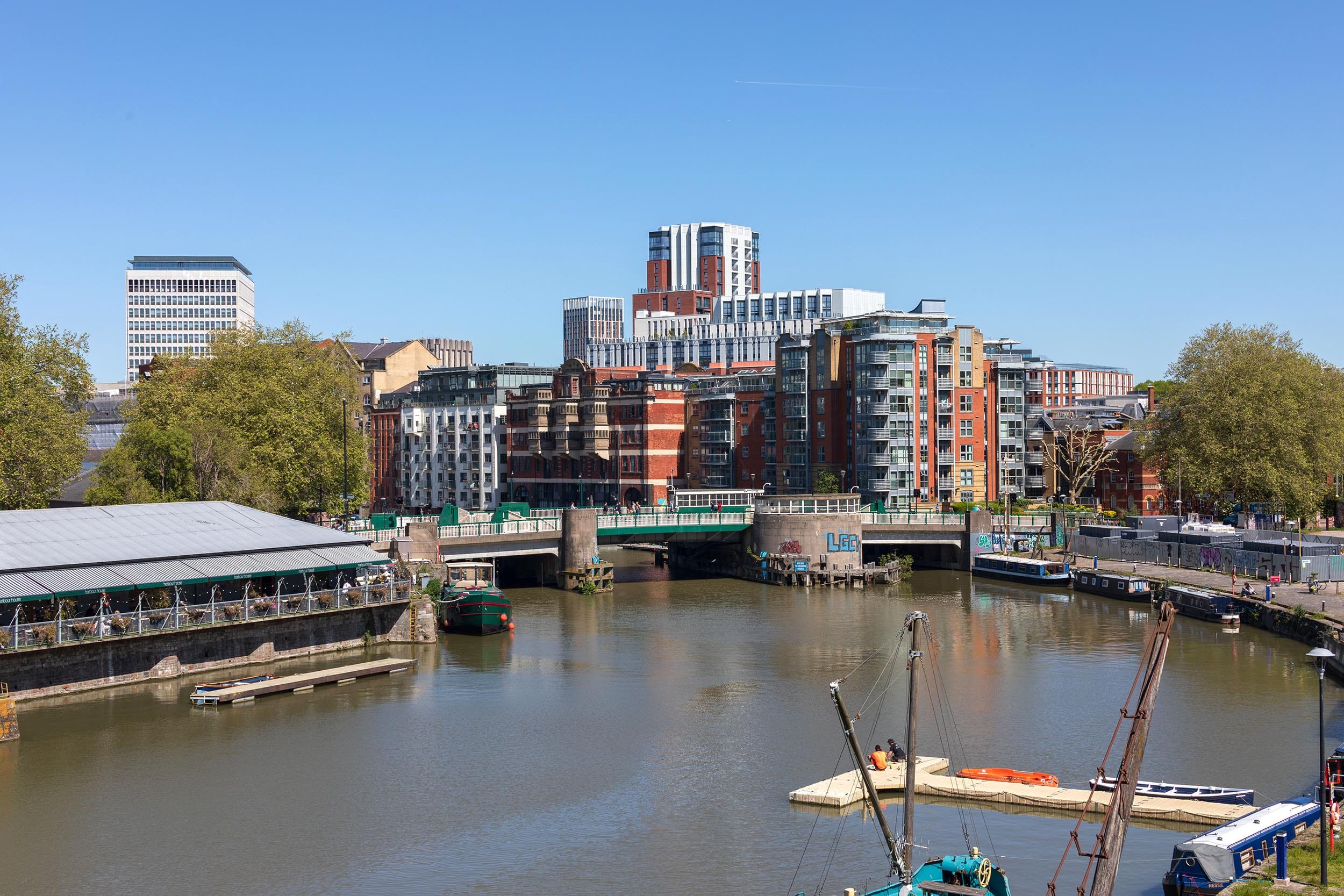
Evidence based Design – Redcliff Quarter Bristol
Designing with Evidence: How Verified Views helped shape Building Height in Redcliff Quarter
Introduction
At NPA Visuals, we often see that the most significant design decisions are not made at the beginning of a project, but through the process that follows. Nowhere is this more apparent than in the way building height evolves during planning.
Early proposals frequently present a clear ambition, a defined scale, a statement of intent. Yet as schemes move through consultation, testing and review, those initial parameters are challenged. Height becomes something less fixed and more responsive, shaped by context, policy, and perception.
Working closely with architects and developers, we experience this shift first-hand. Through the production of Verified Views/AVRs, we are not just documenting design intent, but actively supporting the process that refines it. Each iteration brings subtle but important changes, a adjusted roofline, a repositioned mass, a recalibrated relationship with its surroundings.
In Bristol, this process is especially visible. The city’s layered skyline, historic assets and varied topography mean that even modest changes in height can have a disproportionate visual impact. Developments such as Redcliff Quarter highlight how proposals are tested and reshaped over time, with visual evidence playing a central role in informing decisions.
This insight explores how height is effectively designed through planning; and how Pre-App testing using accurate Verified View techniques, help translate abstract proposals into tangible outcomes that can be understood, tested, and refined
Height as a Moving Target
Initial tall building proposals frequently establish a maximum development envelope. At this stage, height is typically informed by commercial logic and urban capacity rather than fully tested visual impact.
As schemes progress, that position is refined in response to:
- The surrounding townscape and established building hierarchy
- The presence of heritage assets, notably St Mary Redcliffe
- Strategic and local planning policy
- Feedback from stakeholders, consultees, and the public
In Redcliffe, this process has demonstrated how height is not simply reduced, but rebalanced. Taller elements may be lowered, redistributed, or articulated differently to sit more comfortably within the wider context. The outcome is not always smaller, but it is more considered.
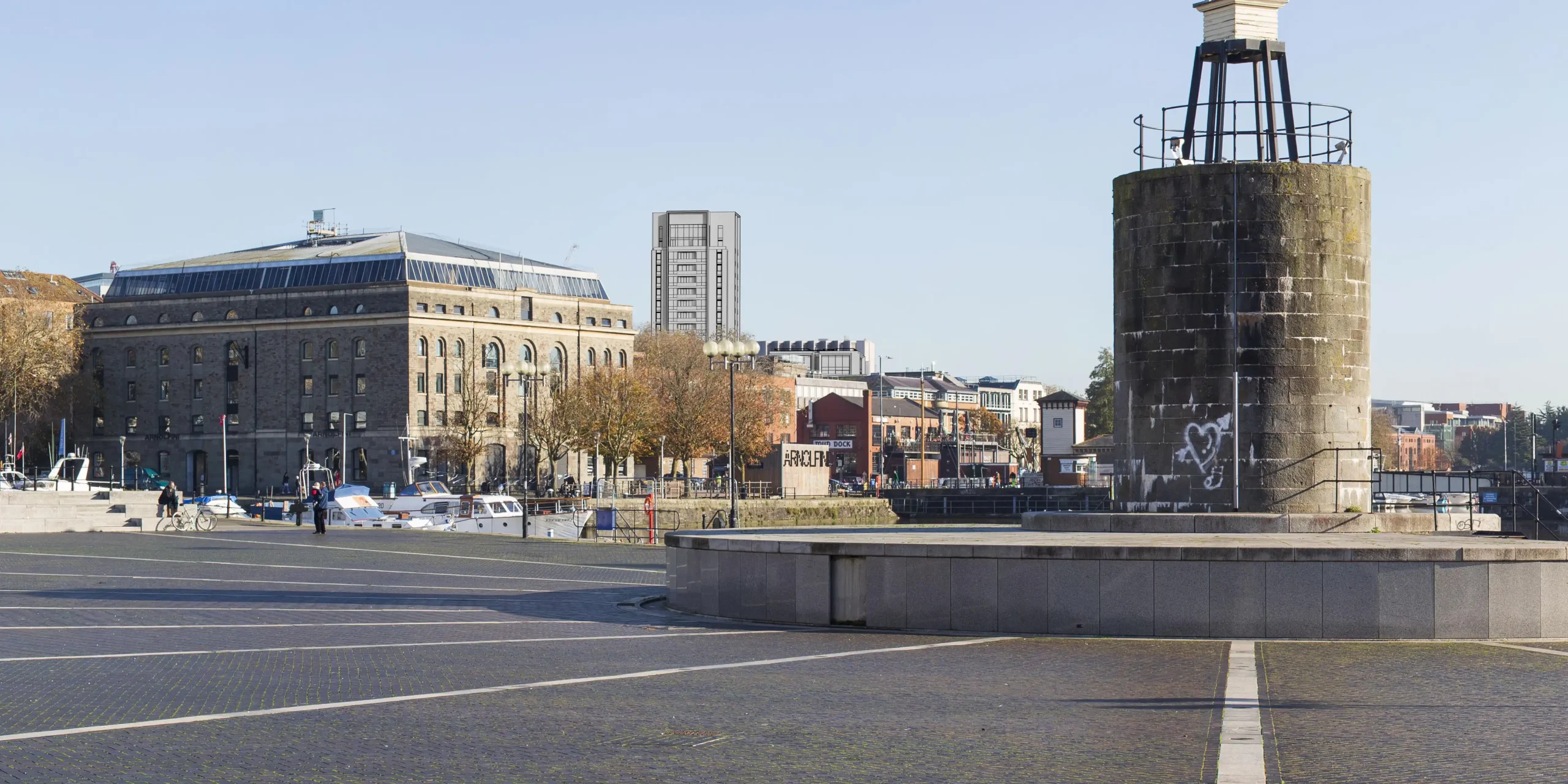
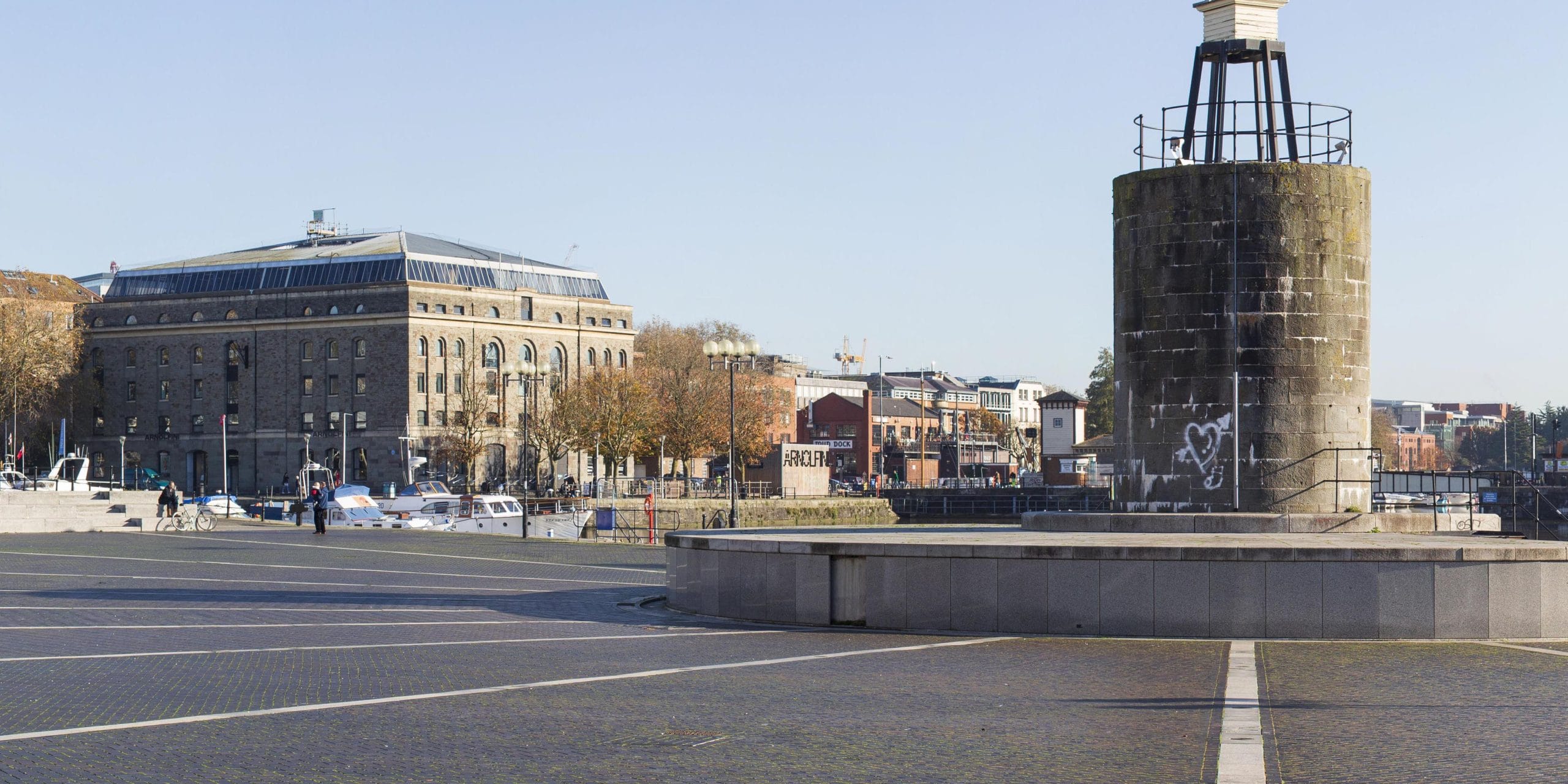
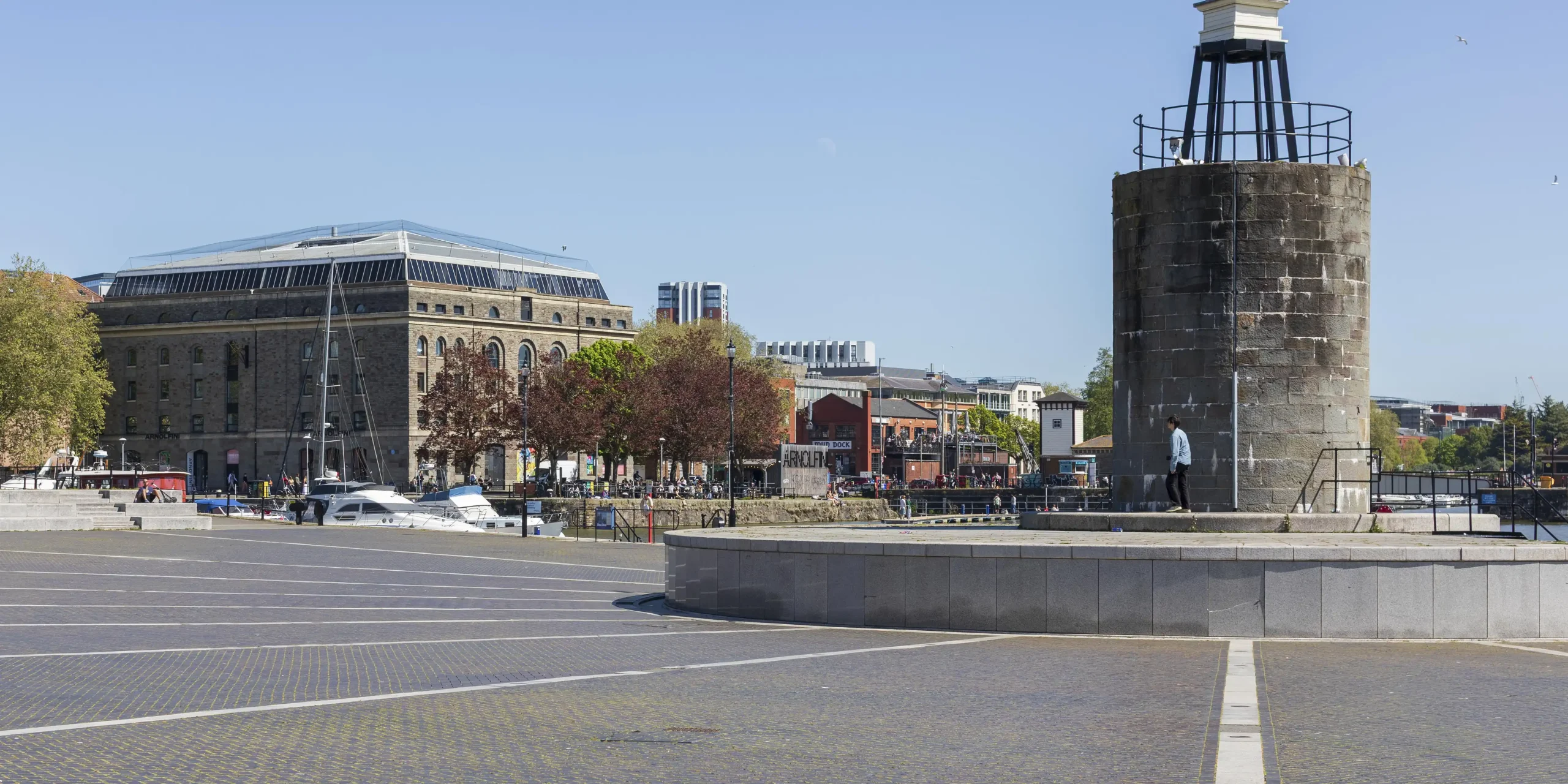
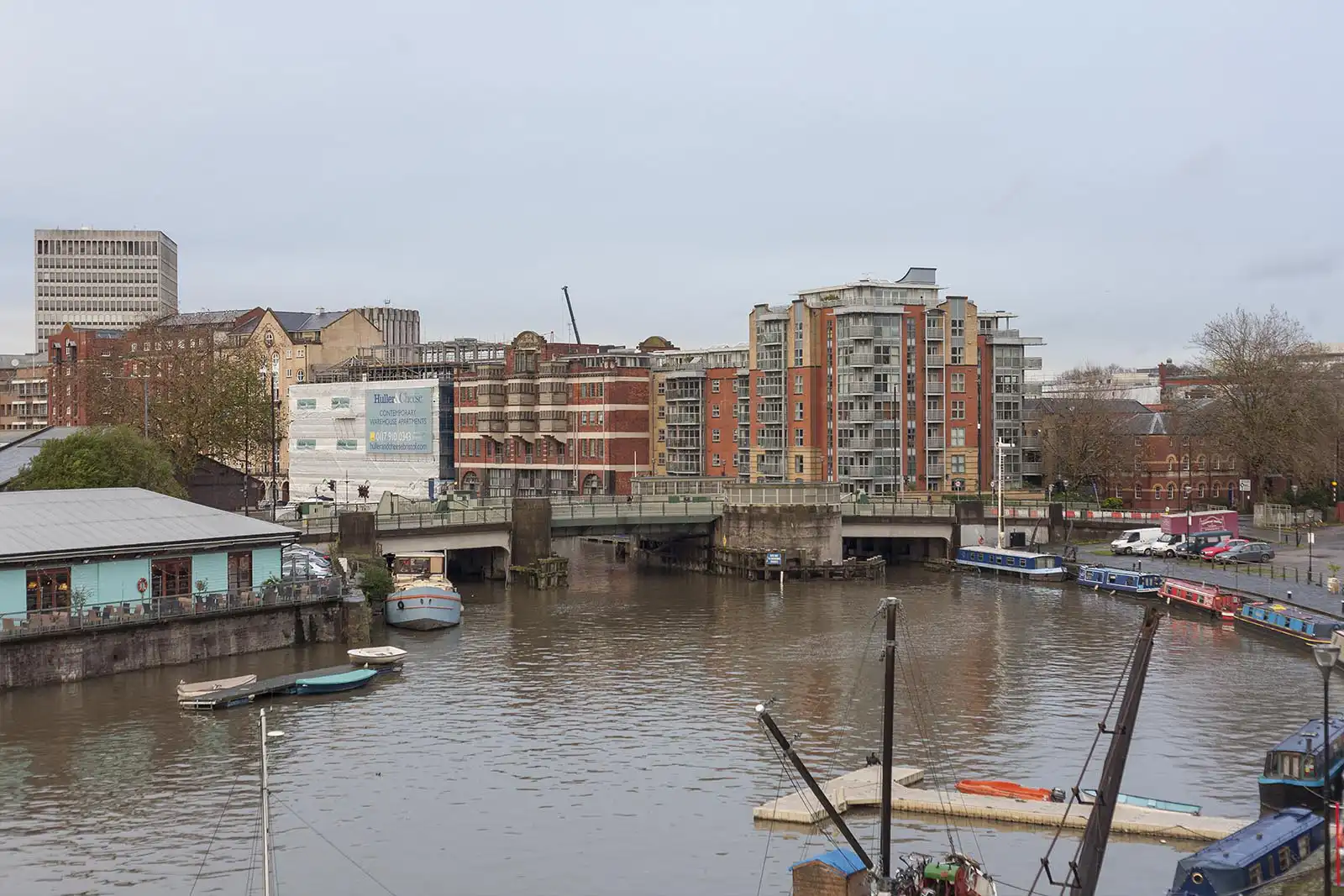
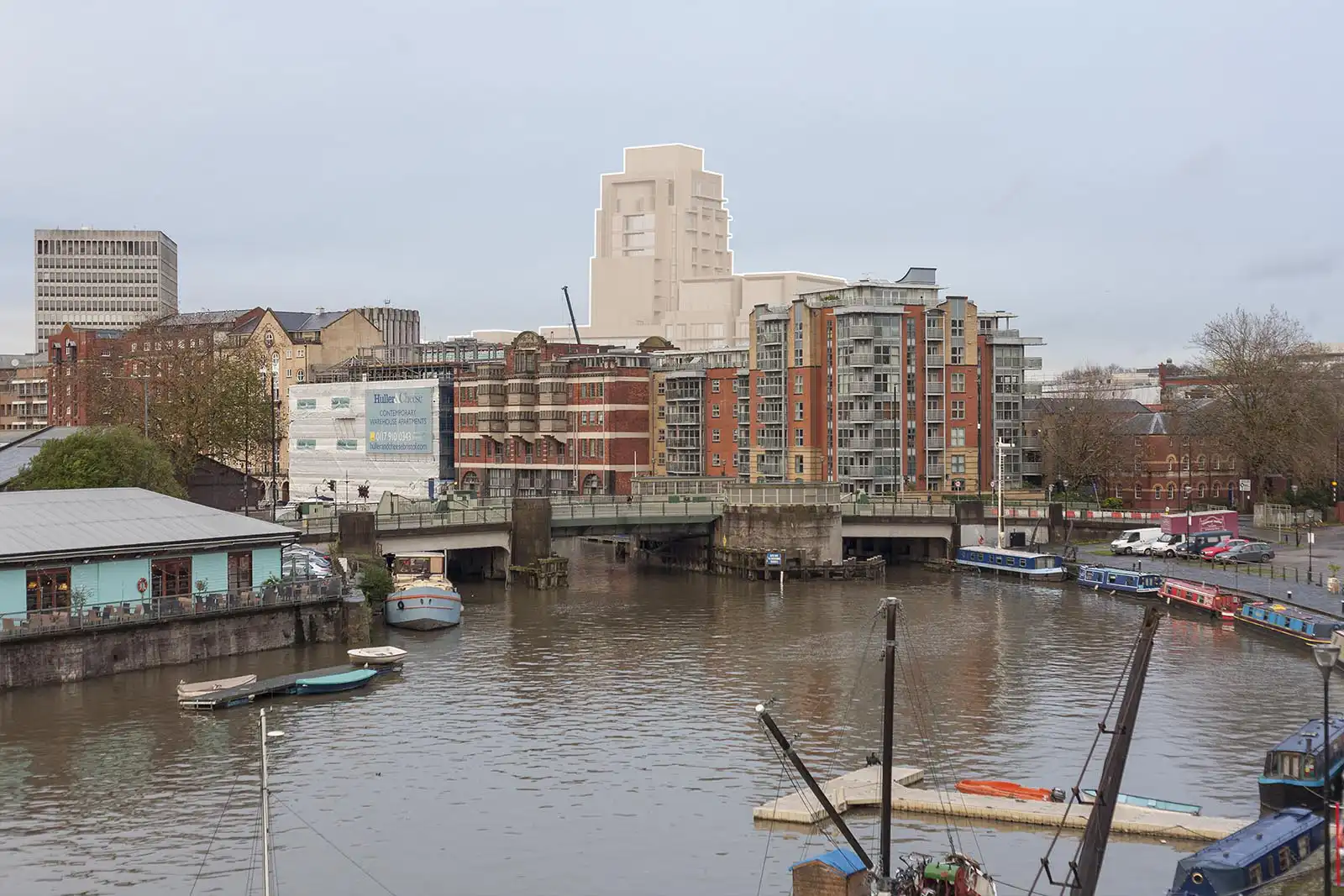
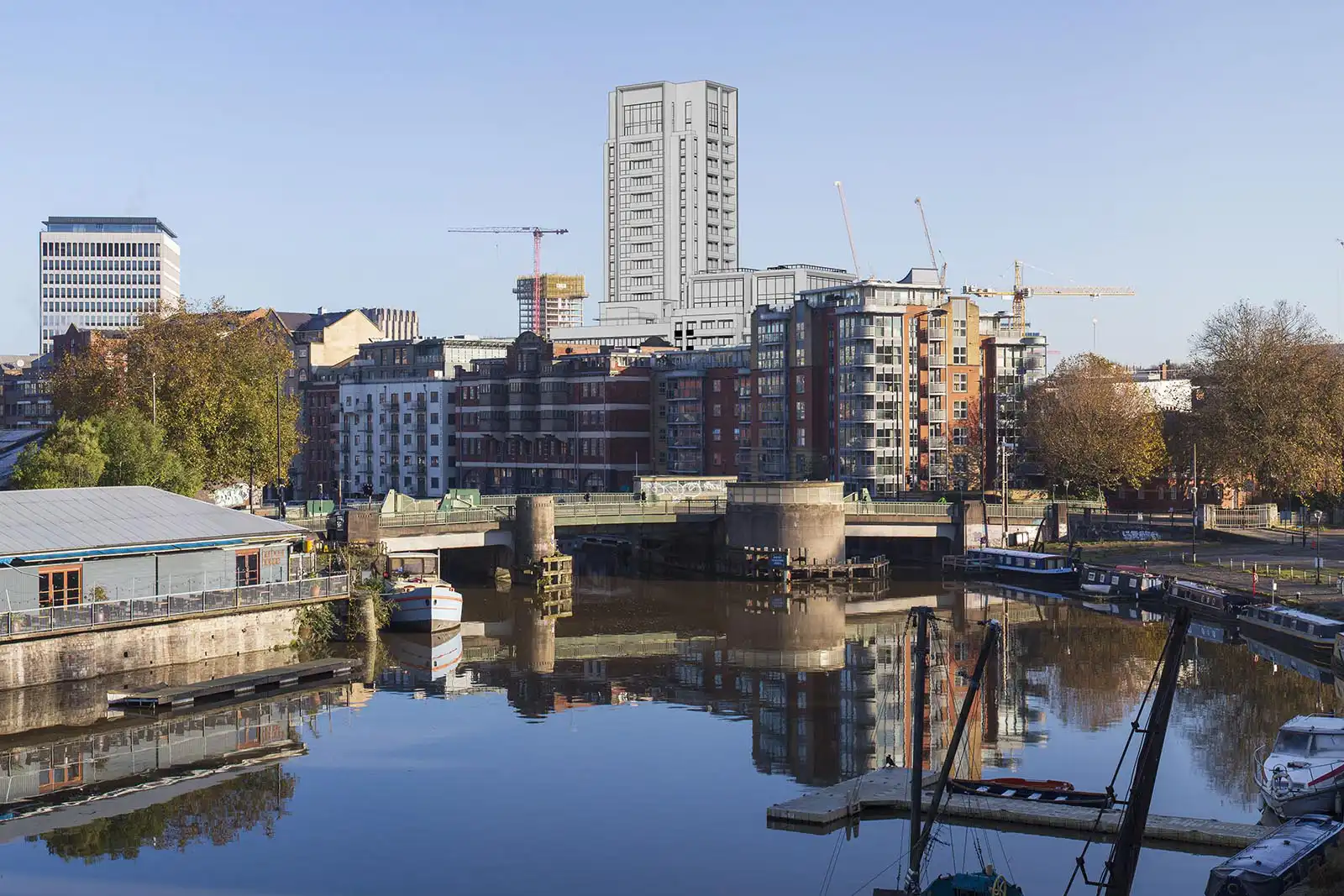
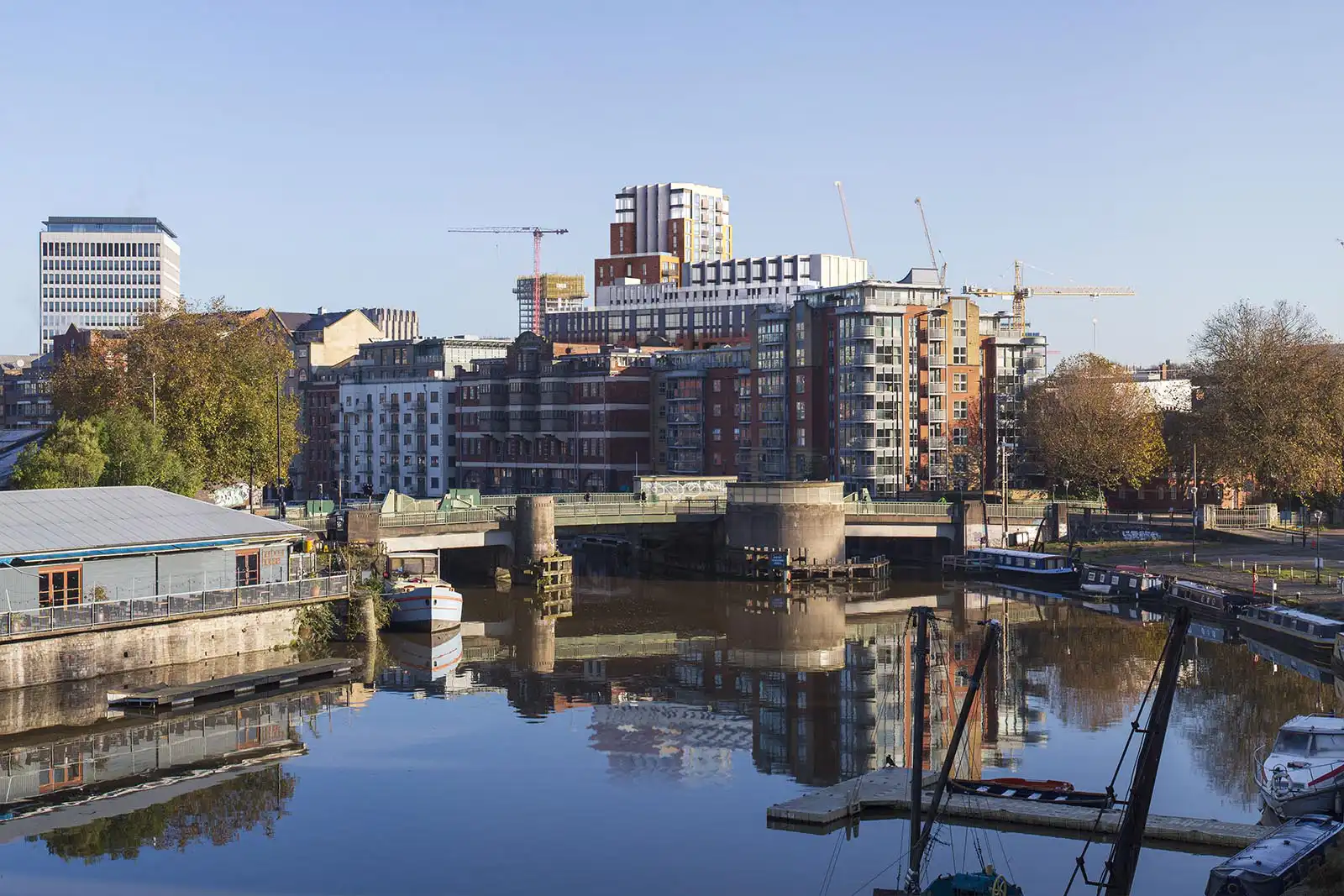
Existing View & AVR2 Option
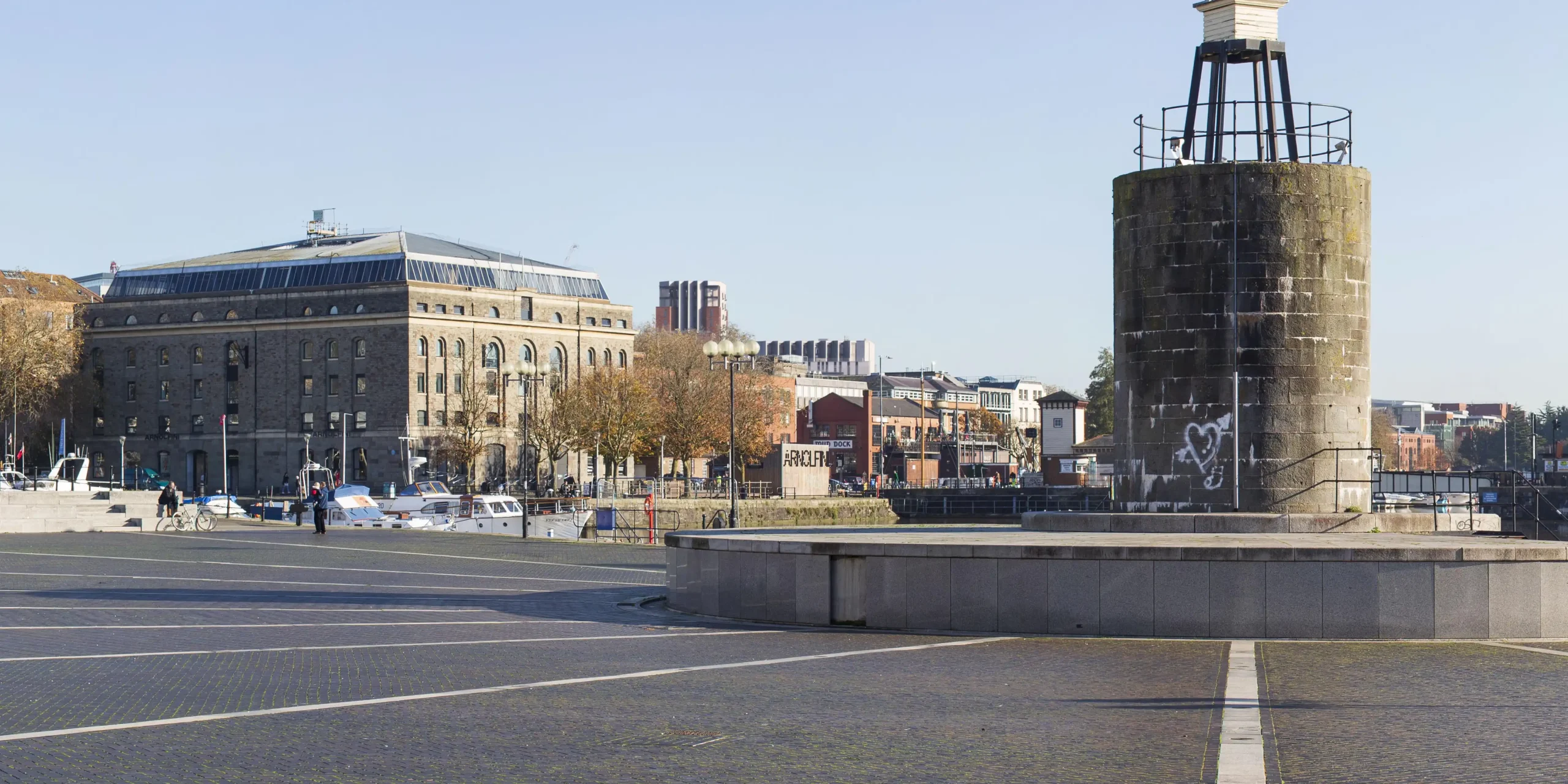
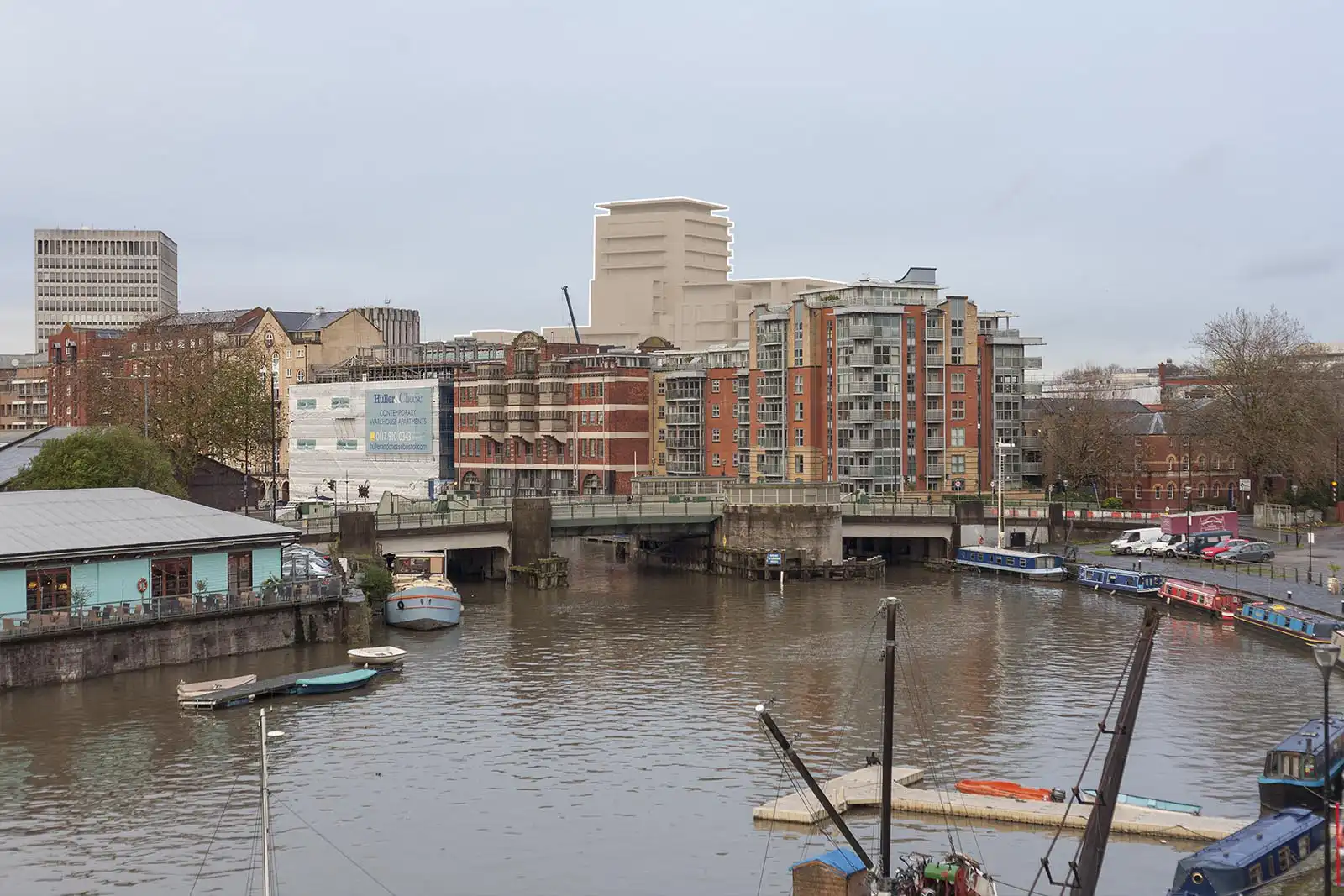
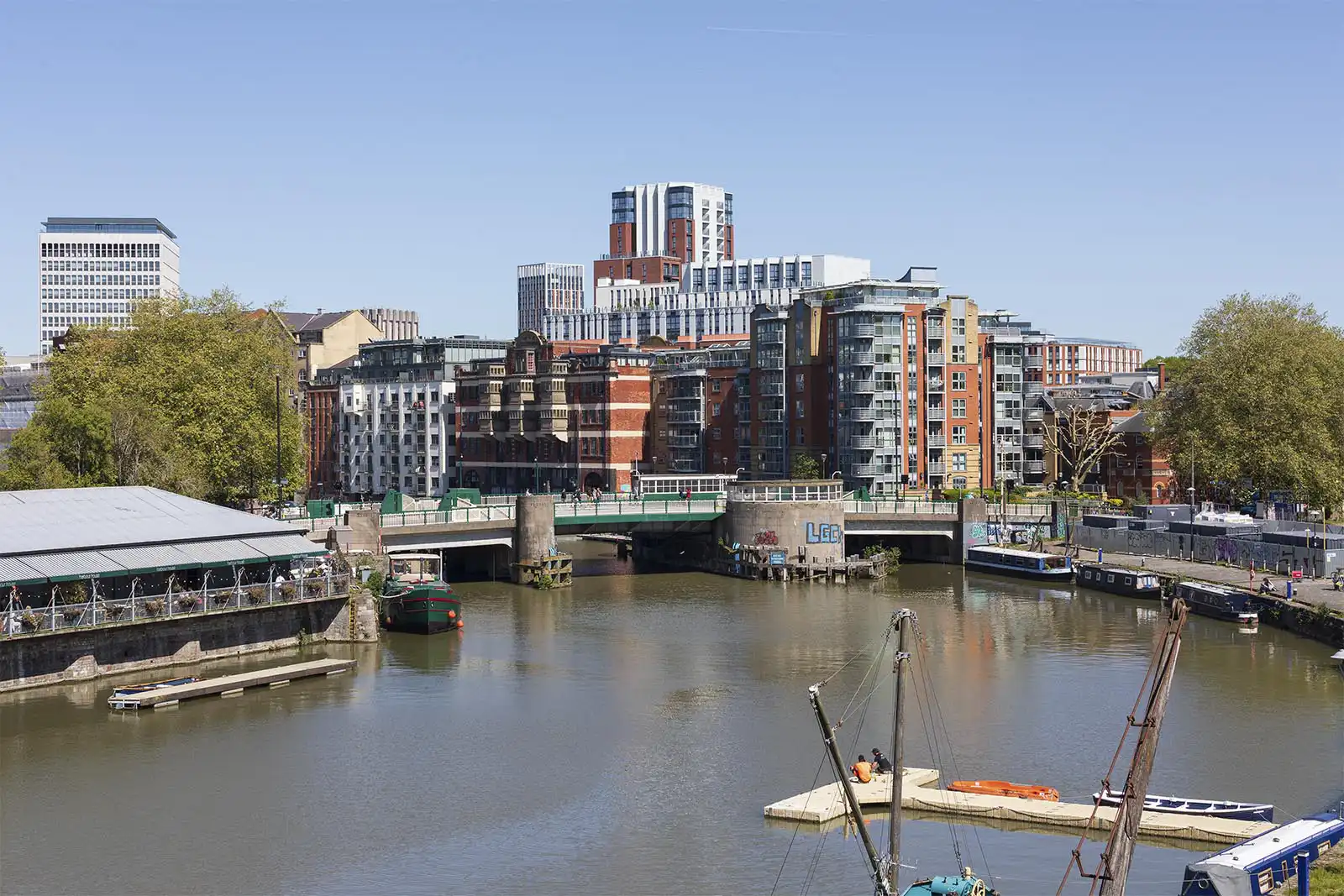
As Built 2026 & Approved AVR3
Seeing the Impact: The Role of AVRs
Verified Views sometimes referred to as Accurate Visual Representations (AVRs), play a central role in this process. They provide a measurable, survey-based way of understanding how proposals will be experienced in the real world.
Throughout the process, these AVRs are used both as a design tool and as a means of formal assessment. While early iterations may not be designated as Verified Views, they are produced using the same rigorous methodology, ensuring that design decisions are informed by accurate and reliable visual evidence from the outset. Accuracy remains consistent throughout and verification is a procedural step rather than a different standard. For developments such as tall buildings, this distinction is particularly important. While plans and elevations describe intent, AVRs reveal effect, enabling design teams, planners, and the public to meaningfully evaluate how proposals will be perceived in reality. These include:
- Apparent height and visual prominence
- Impact on key views and landmarks
- The relationship between proposed and existing buildings
- Changes to the skyline composition
Within Redcliffe, AVRs have been instrumental in assessing how new structures sit in relation to St Mary Redcliffe; one of Bristol’s most significant and sensitive heritage assets. Even modest changes in height can materially alter how a tower reads against such a landmark, and AVRs make these differences visible and comparable.
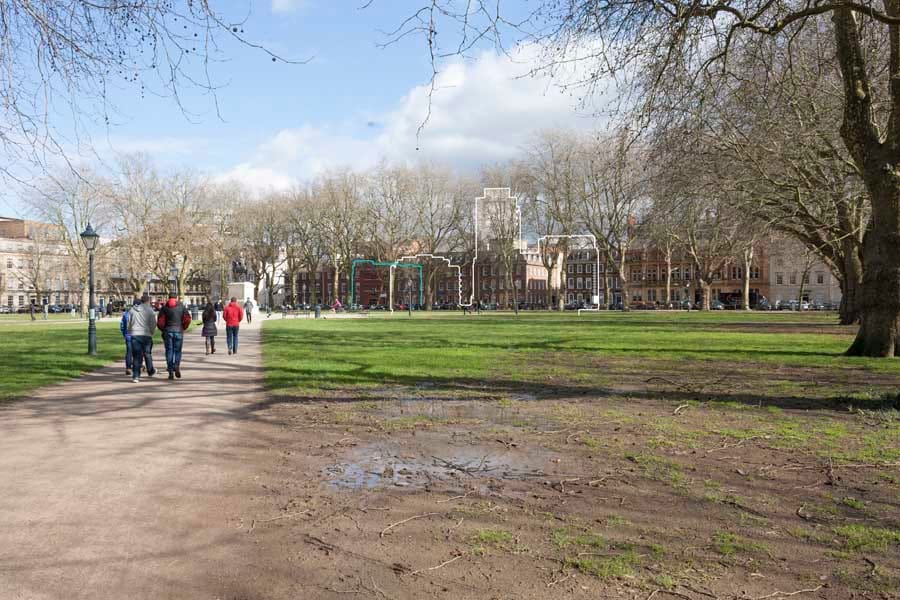
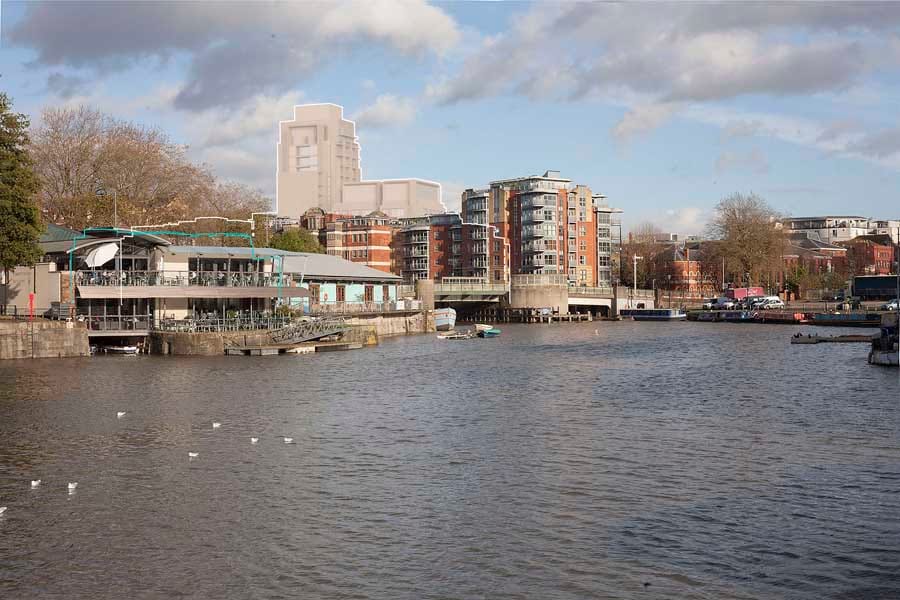
Example AVR Viewpoints in Redcliffe
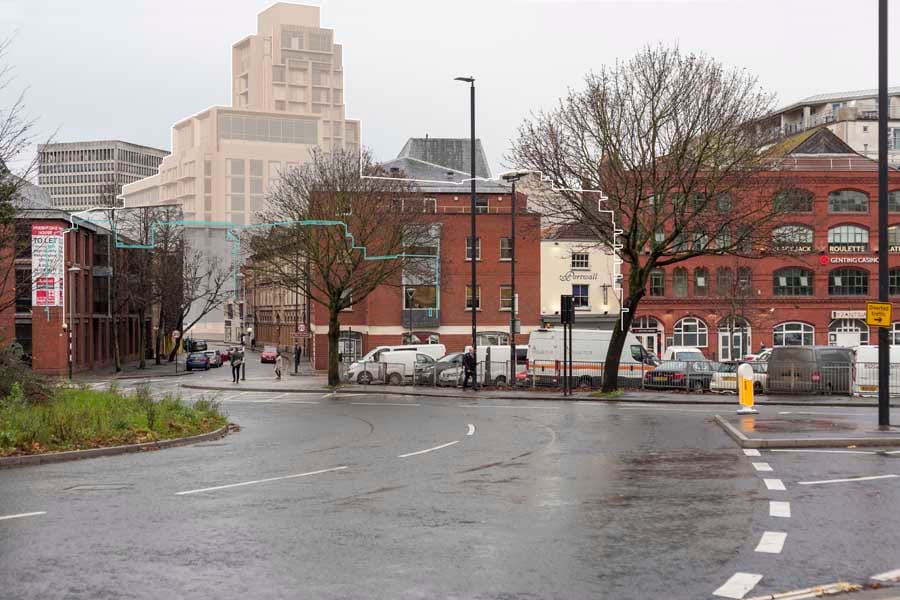
Several key viewpoints consistently underpin the assessment of height within the Redcliffe area. These views help translate design changes into tangible visual outcomes:
- Victoria Street / Redcliffe Way approach
This view captures the immediate urban context, where proposed height is experienced at street level. AVRs from this location test how taller elements relate to mid-rise surroundings and whether they over-dominate the streetscape. - Queen Square
A sensitive civic space, where longer views toward Redcliffe allow assessment of how taller buildings sit within Bristol’s historic fabric. Here, AVRs typically test whether new vertical elements compete with or remain subordinate to St Mary Redcliffe. - Bristol Bridge
This is a key transitional viewpoint into the city centre. AVRs from this location assess how developments contribute to — or disrupt — the evolving skyline when viewed across the river corridor. - Floating Harbour edge
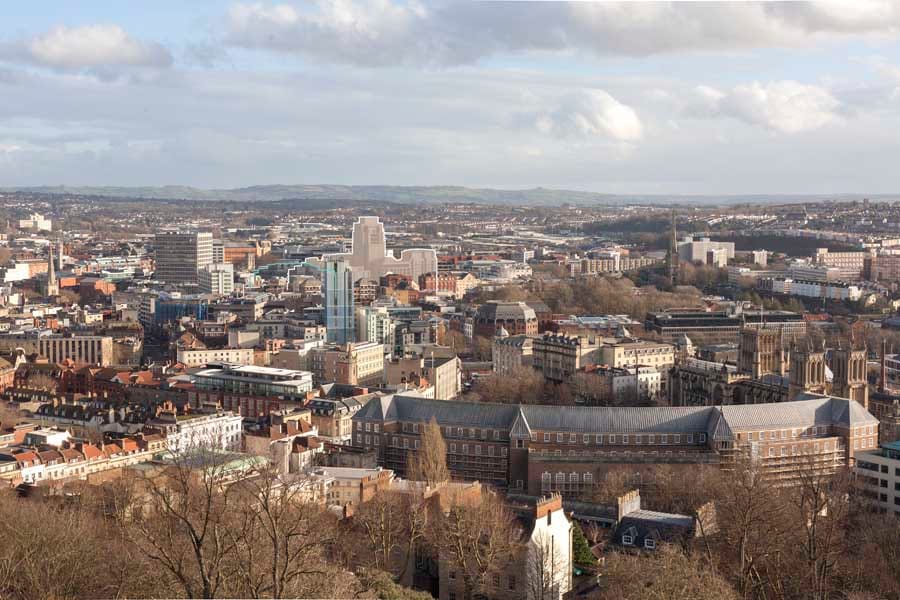
More oblique views from these positions reveal the layering of buildings. Height changes become particularly apparent here, with AVRs helping to test how proposals stack within the wider city silhouette. - Long-distance views from Cabot Tower
Elevated viewpoints are critical in understanding cumulative skyline impact. From here, AVRs illustrate whether taller elements appear as coherent additions or introduce visual clutter. - Views in proximity to St Mary Redcliffe Churchyard
Close-range heritage views are often the most sensitive. AVRs from these positions test whether proposed buildings visually intrude upon or frame the church, influencing decisions around both height and massing.
Across these viewpoints, even small adjustments — a reduction of one or two storeys, or a shift in roofline — can significantly alter how a building is perceived.
An Iterative Design Tool
Beyond communication, AVRs actively inform design decisions.
Because they are consistent and repeatable, they allow for direct comparison between scheme iterations. This means:
- Adjustments in height can be tested against specific viewpoints.
- Massing changes can be evaluated for visual impact.
- Design teams can respond precisely to feedback.
In practice, this creates a feedback loop between design and assessment. Each iteration refines the proposal, not just in abstract terms, but in terms of how it is actually perceived within the city.
Negotiating Bristol’s Skyline
Bristol’s skyline is distinctive shaped by historic landmarks, varied topography and a generally mid-rise urban form. As a result, taller buildings inevitably become part of a wider conversation about identity and character.
In this context, the planning process acts as a form of negotiation. Height is balanced against:
- Heritage significance
- Visual sensitivity
- Urban character
- Growth ambitions
Redcliff Quarter illustrates how this negotiation plays out. Rather than a single, fixed design, the scheme evolves through multiple iterations, each informed by increasing levels of visual evidence.
From Proposal to Place
What emerges is a more nuanced understanding of height. It is not simply about metres or storeys, but about how a building is perceived from the street, across the city and within key views. AVRs enable this. They move discussions beyond abstraction and into something tangible, where decisions can be made with confidence.
In Bristol, and particularly in areas like Redcliffe, this has led to a clear pattern; building heights are not determined at the outset but are effectively designed through the planning process itself.
Key Takeaway
Tall buildings in Bristol are shaped as much by visual testing as by architectural intent. By examining carefully chosen viewpoints, from close street-level perspectives to distant skyline vistas, developments like Redcliff Quarter show how height is refined through evidence, scrutiny, and iteration. This leads to proposals that are not only more responsive to their context, but also more carefully considered and sensitively designed.
For clarity, Redcliff Quarter is intentionally spelt without an “e”, reflecting its location on Redcliff Street. In contrast, Redcliffe with an “e” refers to the wider historic area, where the spelling is retained across street names and buildings for historical reasons. The distinction reflects the layered history of the area and its naming conventions.
Please contact us to discuss how our visualisation team can help you with your next project.