


Seasonal effect on Verified Views and Visual Assessments
When considering site photography for LVIA or Verified Views, NPA Visuals understand how the different seasons and weather conditions will affect people’s perception of a proposed development.
Over the past 25–30 years, we have accumulated extensive experience photographing and visualising sites across the UK. In the the following article Chris Hale looks at how seasonal change influences the perception of a development in the view. For both photography and visual assessments, light is the defining factor in mood, depth, and clarity. The warmth of summer sun and the crispness of winter light create very different impressions of landscapes and buildings. Recognising these variations is essential in producing fair and robust verified views (VVMs) and photomontages, as the same development can appear more or less prominent, depending on season, weather, and material response.
The Sun through the Seasons
In summer, the sun is high in the sky, producing long days and with overhead light for much of the day. In winter, the sun remains lower in the south, with shorter daylight hours and limited good lighting . This difference affects not only how we can capture images, but also their character.
For assessments, these contrasts are significant. A south-facing viewpoint in winter may be dominated by glare from a low sun, obscuring detail and exaggerating silhouettes. In summer, the same view may show a flatter, less dramatic balance of light and shadow.
Summer’s vertical sun often reduces surface relief, flattening façades and softening textures. Winter light, by contrast, is sculptural, carving depth into both natural and built form.
The Character of Shadows
Shadows provide structure and rhythm in composition, but their seasonal differences can also affect perception in VVMs. In summer, shadows at midday are short and visually unremarkable, sometimes erasing finer façade details. Longer shadows only appear in the early morning or late evening, when many photographers choose to work. In winter, by contrast, even midday light casts long shadows that stretch across views and emphasise depth. These can add drama and legibility to architecture, but they can also exaggerate the massing of buildings depending on orientation
White Balance and Colour Temperature
Light carries colour as well as brightness. Seasonal variations shift this balance, influencing mood and material appearance. In summer, midday light often feels cool and neutral, yet during sunrise and sunset it becomes warm and saturated, creating rich, inviting tones in both landscapes and architecture. Winter light tends to be cooler overall, particularly when snow reflects blue tones from the sky, but the low sun frequently introduces a subtle warmth, adding a diffuse glow to façades and fields.
In both seasons, careful white balance control is essential. Automatic settings may exaggerate extremes, producing overly cold winter scenes or unnaturally orange summer sunsets. These distortions can significantly affect how materials, planting, and the wider environment are perceived in assessments.


The effect of Weather: Sunny vs. Overcast
Weather modifies how seasonal light reaches the ground. Bright, sunny conditions create strong contrast and saturation. In summer this can quickly become harsh and unforgiving, with deep shadows and bleached highlights, while in winter the lower sun softens highlights and enriches textures. Overcast skies, on the other hand, diffuse the light to create even illumination. This ensures architectural detail remains legible and avoids heavy contrast, though it can also flatten vibrancy and leave landscapes looking muted.
The effect of cloud cover differs by season. In summer, greenery often looks lush and evenly lit under diffuse skies, while in winter grey skies can create a stark or subdued mood. Both states can be used effectively: an overcast winter sky may reinforce a sense of solitude, while summer cloud can relieve the intensity of midday light.
Landscapes Through the Seasons
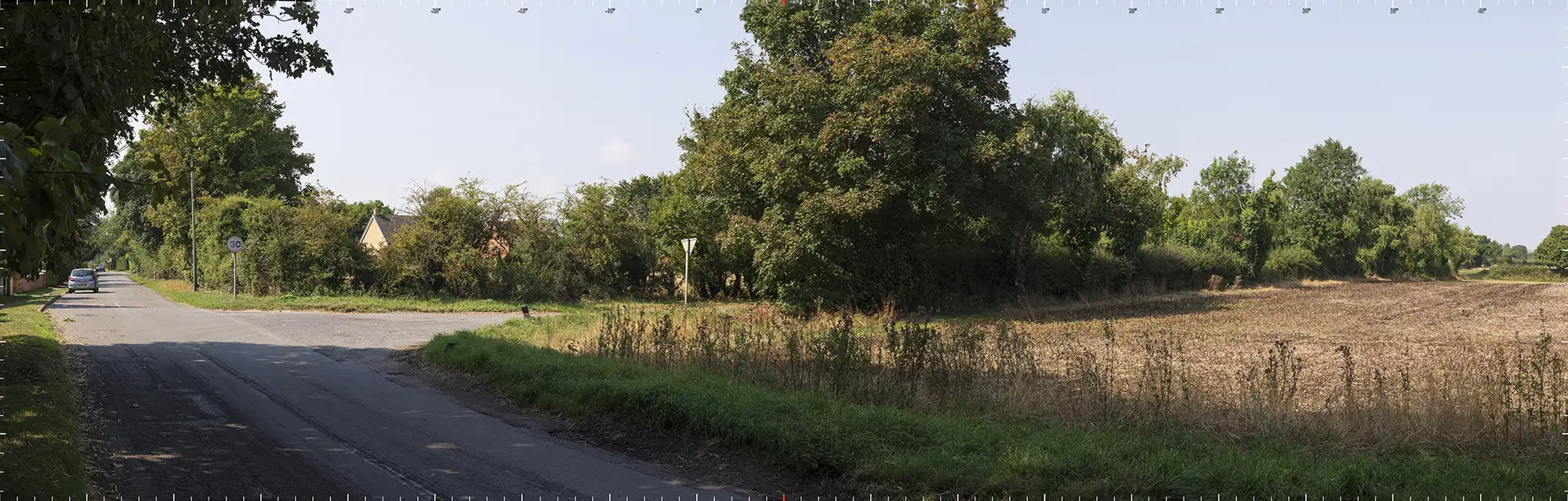
The combination of sun angle, shadows, and colour temperature reshapes how landscapes appear. Summer scenes are typically bright and saturated but can appear flat under overhead midday light. At dawn and dusk, the low sun restores depth to rolling landforms, water, and vegetation, adding warmth and vibrancy. The density of summer foliage also plays a crucial role, often screening or softening developments and reducing their apparent scale in views.
In winter, landscapes are characterised by bare trees, long shadows, and a cooler palette. Low sunlight reveals textures in fields and slopes that remain hidden in summer. Without leaf cover, however, developments may become far more visible. This seasonal contrast is one of the main reasons winter viewpoints are routinely required in visual impact assessment.
Landscape Views in Summer & Winter

Architecture and the Built Environment
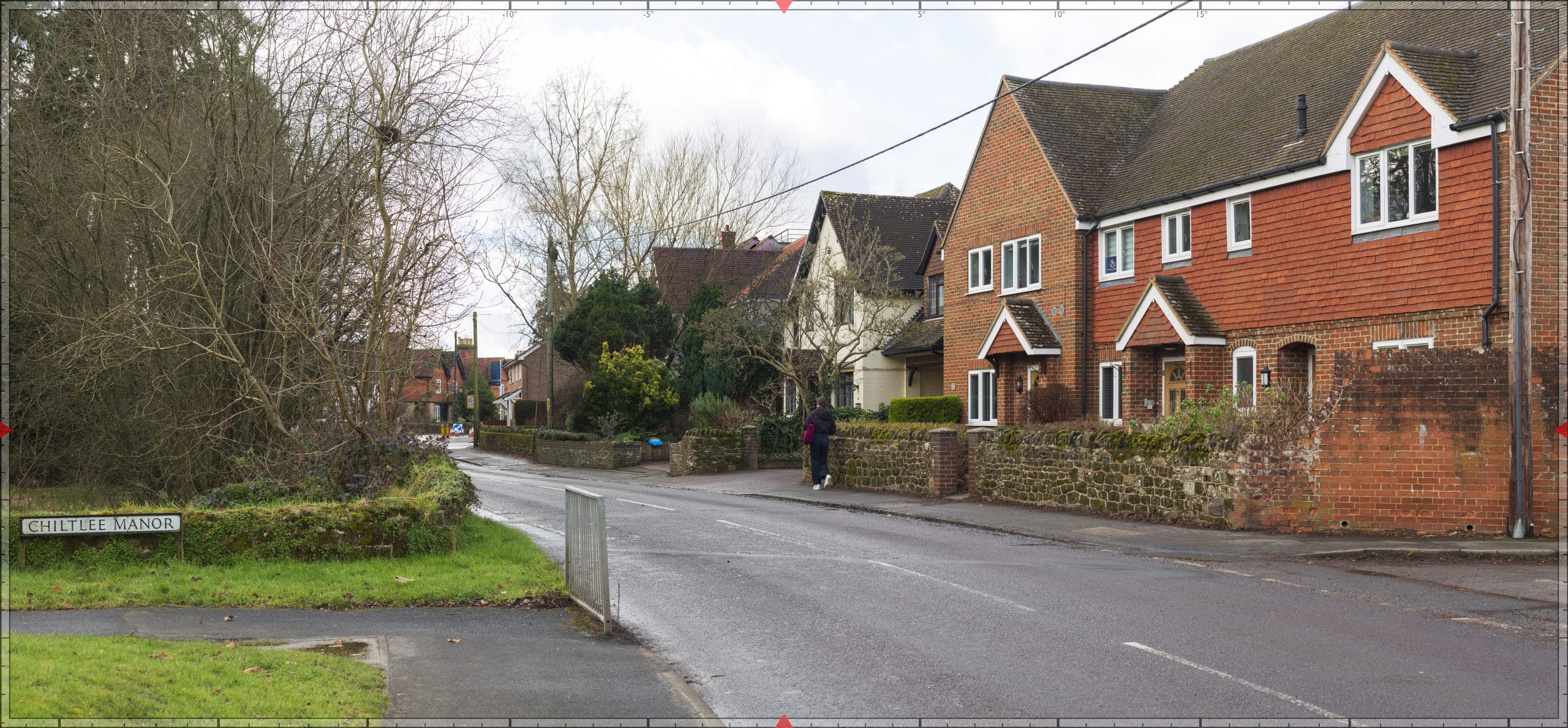
Built form responds strongly to changing light. In summer, overhead sun can wash out façades and obscure recessed details, while deep shadows form beneath balconies and eaves. Reflections in glass façades are often intense, dominating the appearance of a building within a view. Early or late sunlight is generally required to reveal more subtle surface textures in stone, brick, or metal cladding.
Winter conditions offer a different character. The low sun highlights architectural details throughout the day, carving depth into carvings, columns, and cladding patterns. Long shadows from surrounding buildings or trees add dramatic urban compositions, while snow and frost soften edges or bounce additional light into façades. These effects can make buildings more legible and visually engaging, but they may also emphasise scale in ways less apparent during summer.
How Building Materials React to Light
Materials interact with light in distinct ways, and their seasonal variation can shape how a development is perceived. Stone and brick tend to appear warm and vibrant under summer sunsets, but in winter they often look cooler and more subdued. Low winter sun enhances texture and relief, whereas summer’s vertical light can flatten detail.
Glass and metal façades are highly reflective, shifting dramatically with seasonal conditions. In summer they can produce strong glare and bold reflections, while in winter the reflections are generally softer and more abstract, sometimes verging on transparent.
Concrete and timber are particularly responsive to sun angle. Under summer’s overhead light, both can appear flat and unremarkable. In winter, raking light enhances their textures, weathering, and imperfections, giving them more character. Timber may appear golden and rich in summer, yet pale and silvery in winter. These differences underline the importance of considering materials not only for their durability and design qualities but also for how they will be experienced year-round in assessments.

Conclusion
Summer and winter photographs are not simply two versions of the same practice—they represent different qualities of light. Summer brings long days, bold colours, and periods of warm, inviting tones, but it can also flatten form and reduce legibility under harsh midday sun. Winter offers sculptural shadows, textural clarity, and atmospheric coolness, but without foliage developments often become more visible.
We have extensive experience in recognising and responding to variations in lighting, shadowing, colour temperature, weather conditions, and material behaviour. We understand the importance of accounting for seasonal and atmospheric change to ensure accurate visual outcomes. Our imagery provides a balanced and credible representation of how a development will be experienced throughout the year, supporting both design evaluation and informed planning decision-making. The team at NPA Visuals therefore strongly recommends early involvement in projects to mitigate the risks associated with inappropriately timed site visits.
Please contact us to discuss how our visualisation team can help you with your next project.