

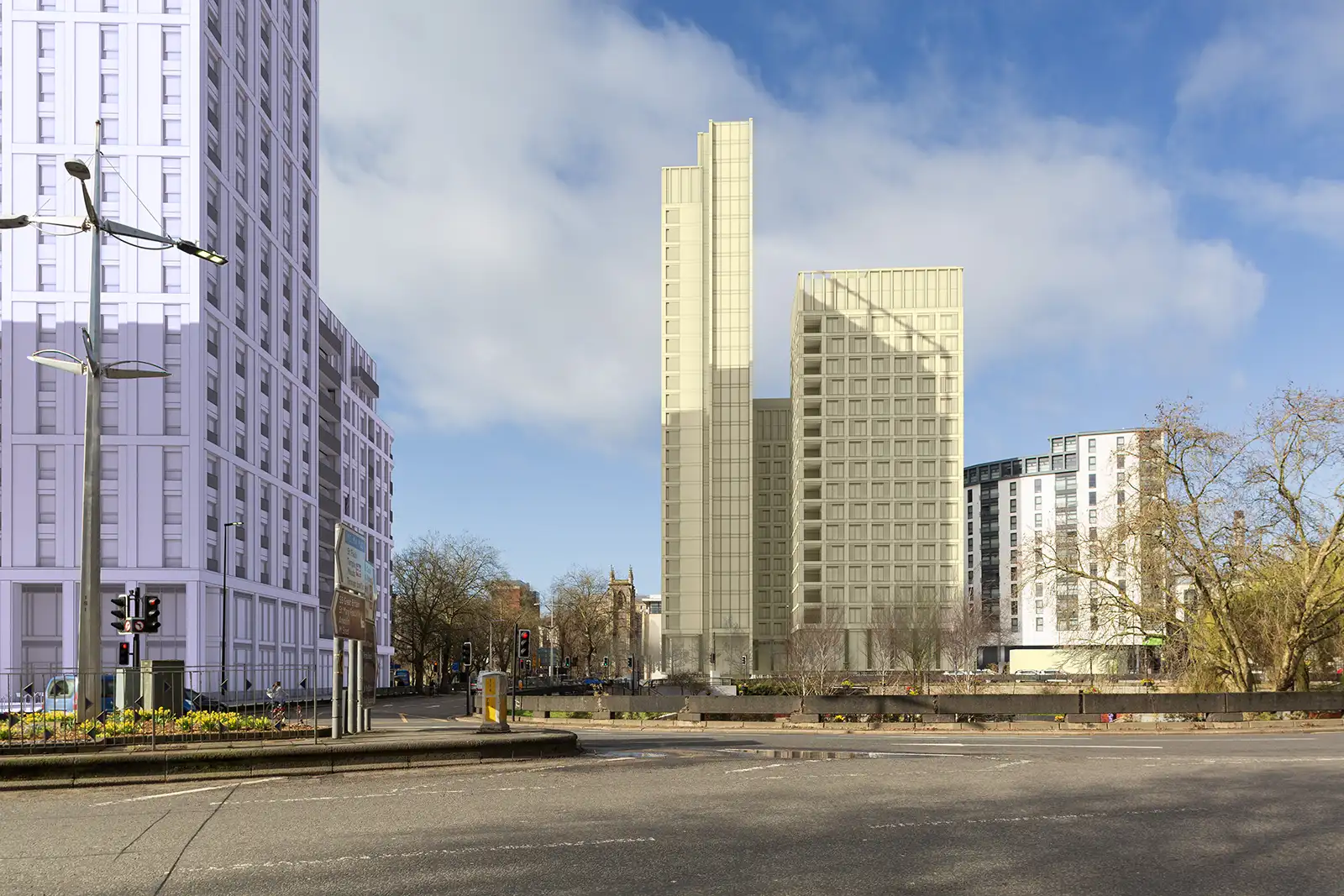
Understanding Future Baseline and Cumulative Effects in EIA/LVIA, and the role of Verified Views
Introduction
Within Environmental Impact Assessment (EIA), two concepts play a central role in understanding how a proposed project may influence its surroundings over time: the Future Baseline and Cumulative Effects. Although both look beyond the present day, they serve distinct but complementary purposes in predicting environmental change.
In Landscape and Visual Impact Assessment (LVIA), a core component of many EIAs, these concepts must be carefully considered in relation to a proposed development. Verified Views can support this process by visually illustrating how landscape, townscape, and views may evolve.
Future Baseline
What Is the Future Baseline?
The Future Baseline represents the anticipated condition of the environment without the proposed development in place. It considers:
- Naturally occurring changes
- Approved or reasonably foreseeable developments
- Shifts driven by planning policy, demographics, or environmental processes
Rather than being a fixed snapshot, the future baseline reflects how an area is expected to evolve over time.
Purpose
The future baseline acts as a reference point for assessment. By establishing what the environment is likely to look like in the future, practitioners can evaluate how the proposed project would incrementally change or influence that scenario.
Example
In an area where planning policy encourages greater development density or taller built form, several major schemes may already be approved or proposed.
For LVIA, the future baseline must therefore consider how these emerging developments will change:
- Landscape or townscape character
- The pattern and scale of built form
- Visual context and key views
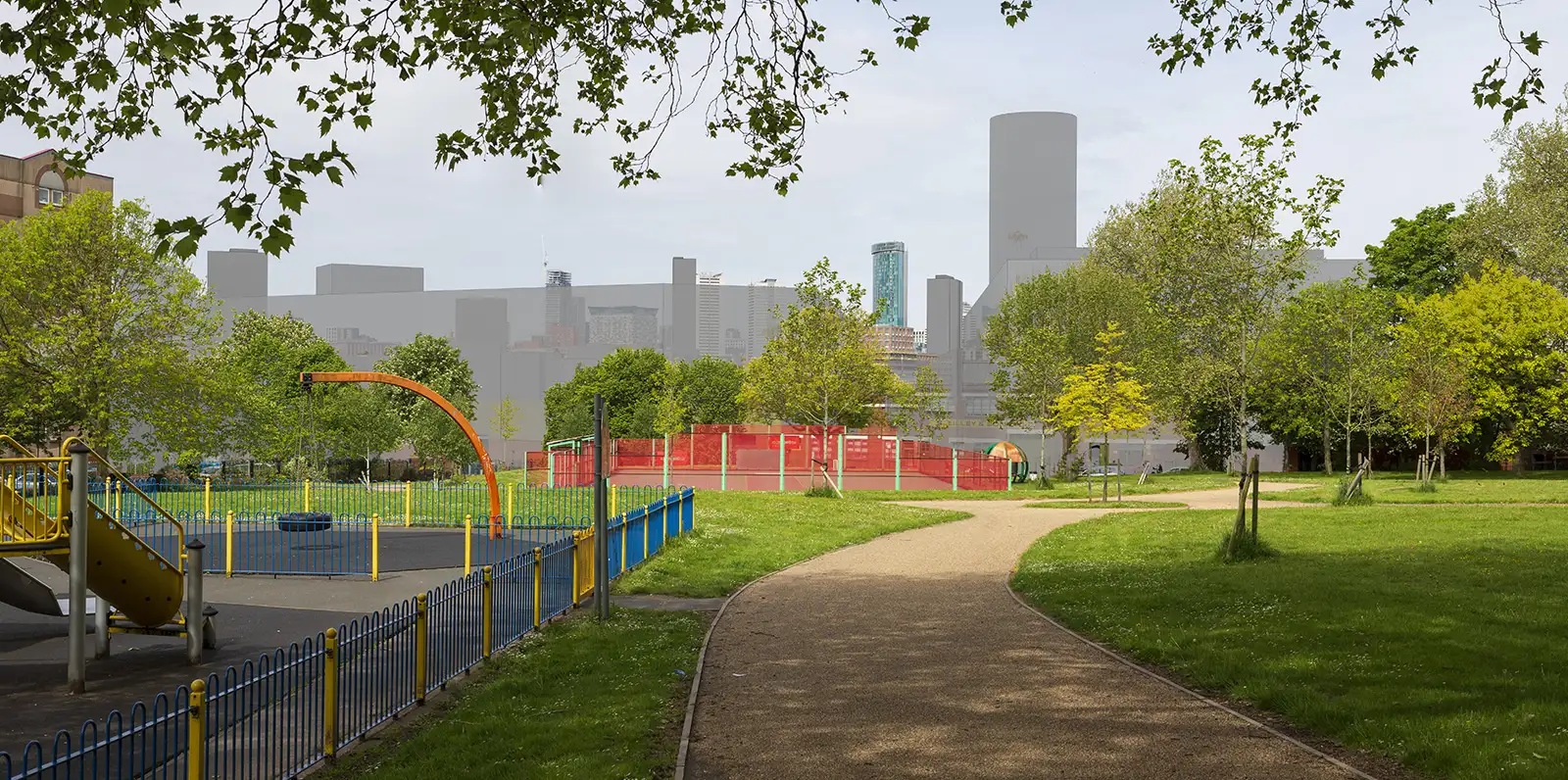
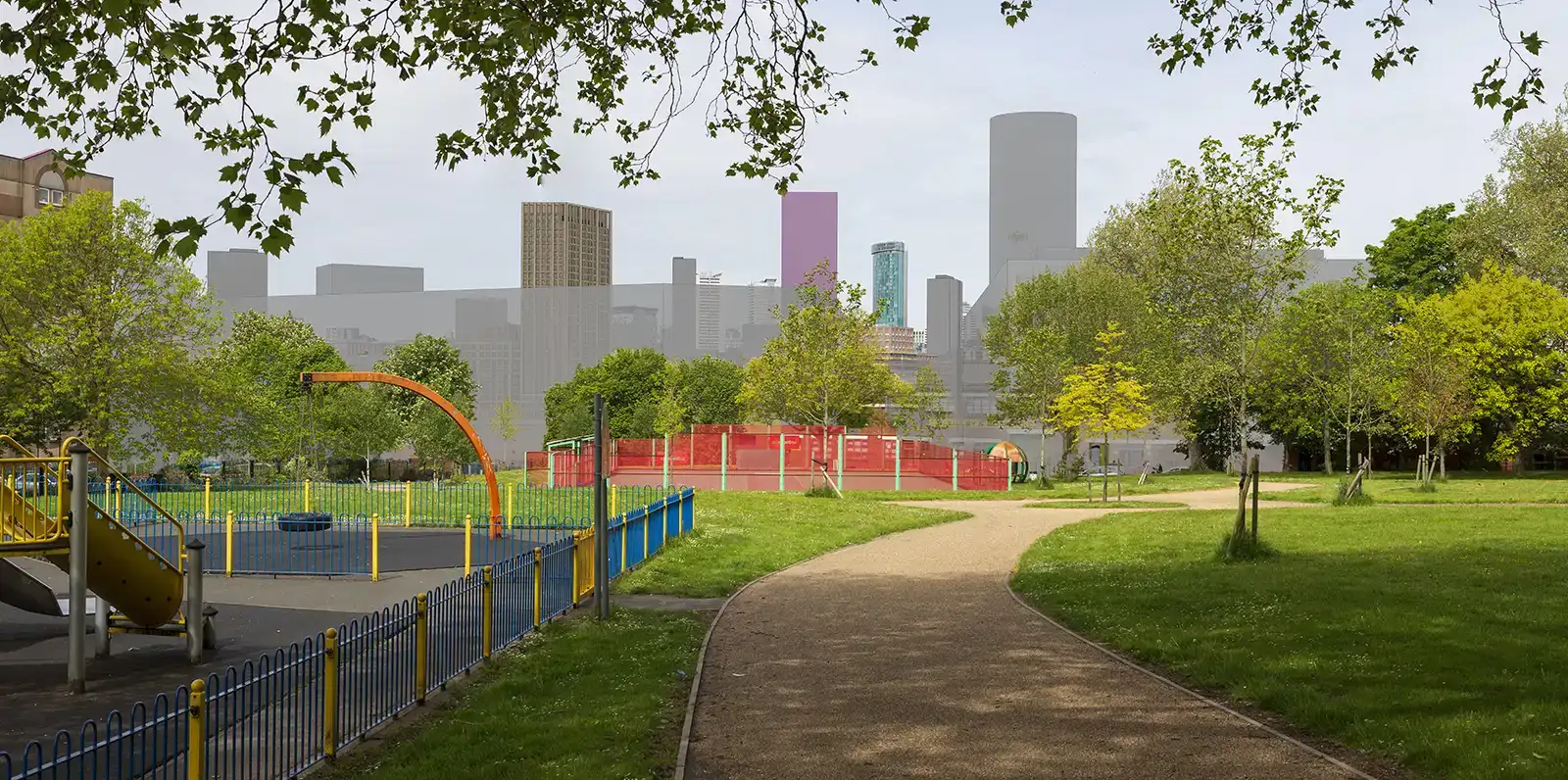
Verified Views that incorporate these approved or foreseeable schemes help illustrate the expected future situation and clarify the context into which the proposed project would be introduced.
Key Considerations
Defining a future baseline for landscape and visual matters typically involves:
- Reviewing adopted planning policy
- Identifying approved but unbuilt developments
- Considering environmental trends
- Understanding other foreseeable changes that may influence the setting
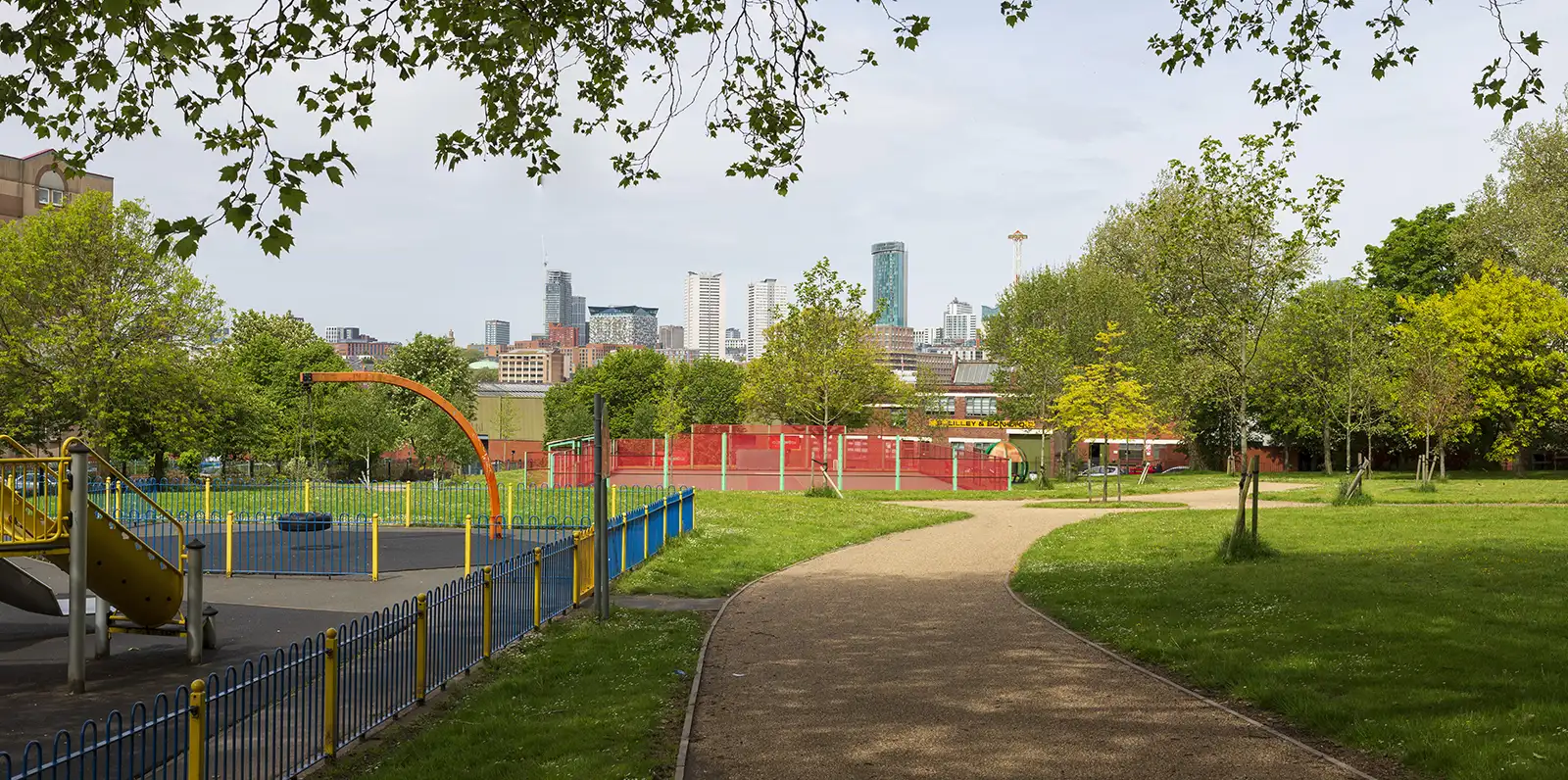
Verified Views may support this by providing:
- Existing views showing current conditions
- Future baseline views showing how the environment may appear without the proposed development
Cumulative Effects
What Are Cumulative Effects?
Cumulative effects describe the combined impact of the proposed development together with:
- Existing developments
- Approved schemes
- Reasonably foreseeable future projects
These effects may be direct or indirect and can occur across a wider landscape or townscape.
Purpose
Cumulative assessment helps determine whether:
- The combined effects of multiple developments exceed those of individual schemes
- Proposed mitigation remains effective when projects are considered together
- Additional measures or design changes may be required
This ensures that decision-makers understand not only the project-specific impacts but also the wider context of simultaneous change.
Example
In an urban area with multiple tall or large-scale developments planned, each project may, with respect to the landscape or townscape alter:
- Skyline or key views
- Massing and built form relationships
- Visual amenity
- Microclimate, or shading
A cumulative assessment evaluates these combined effects rather than treating each scheme in isolation.
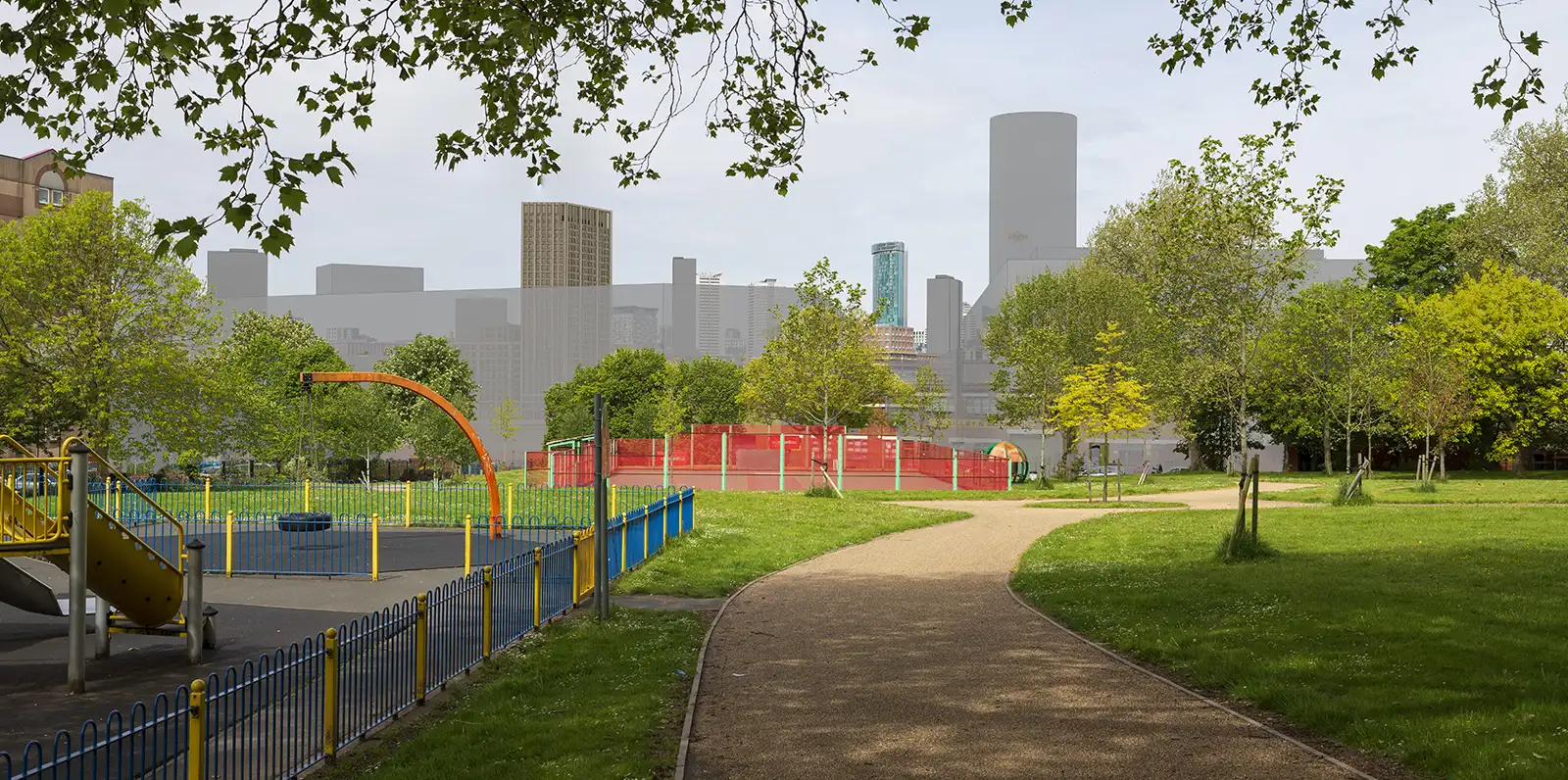
Verified Views can be invaluable here. By incorporating agreed sets of other proposed or approved schemes into 3D models and photomontages, they illustrate how developments interact visually and spatially.
Key Considerations
Cumulative effects may arise from:
- Overlapping construction periods
- Shared infrastructure or facilities
- Incremental changes to urban character, scale, and density
Verified Views may show:
- Proposed views that include the development and future baseline context
- Cumulative views illustrating the proposed development alongside all identified future projects
Conclusion
Both Future Baseline and Cumulative Effects assessments are essential components of a robust LVIA within the EIA process. The future baseline establishes how the environment is expected to change without the project, while cumulative assessment examines the combined pressures of multiple developments.
Verified Views can greatly enhance understanding by providing clear visualisations of both scenarios, assisting stakeholders and decision-makers in interpreting landscape and visual change.
Together, technical assessment and clear visual modelling support more informed, transparent, and sustainable planning outcomes.
Please contact us to discuss how our visualisation team can help you with your next project.